
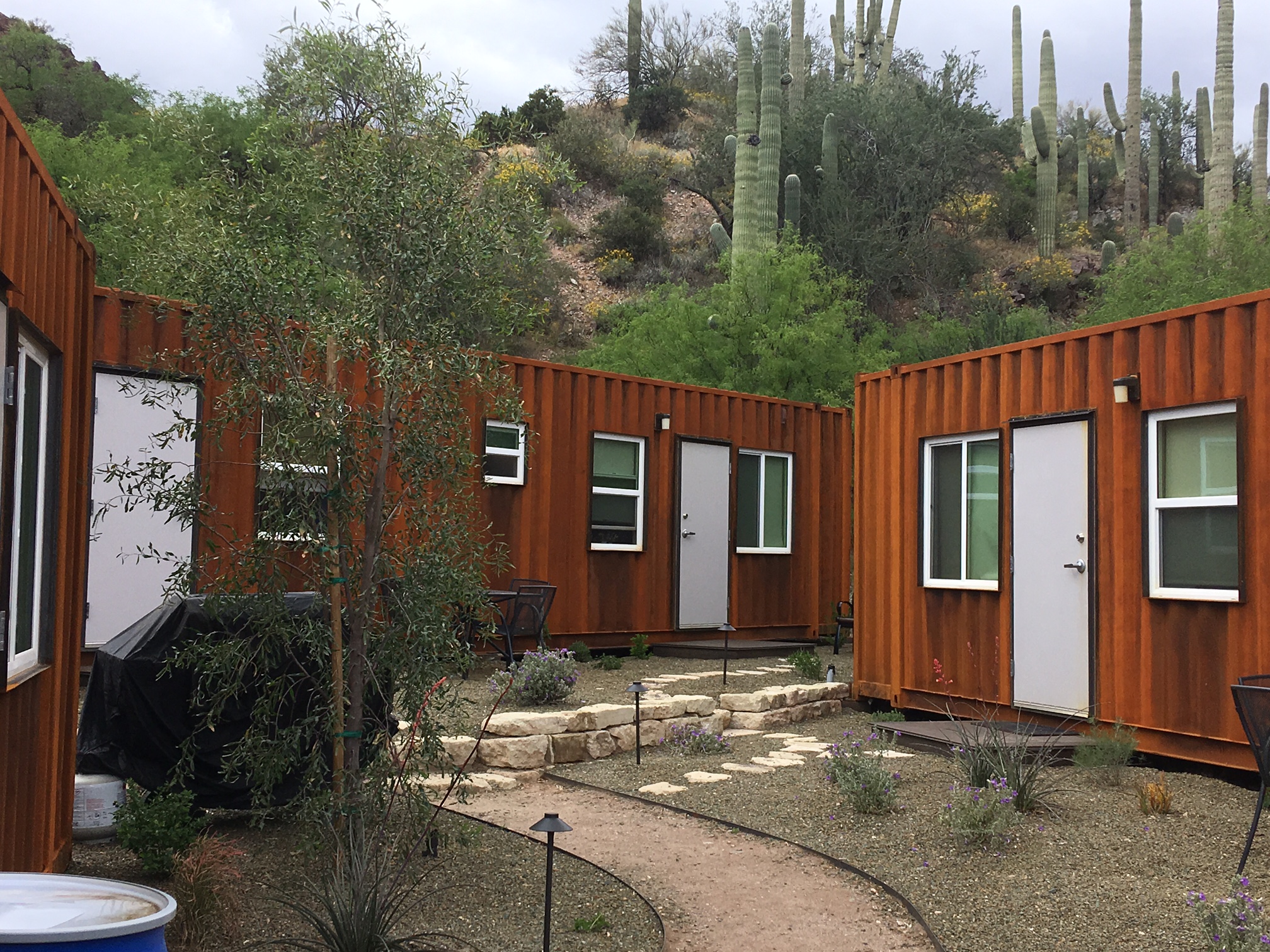
Housing has become one of the biggest barriers to hiring and retaining staff for employers across Arizona, particularly in more remote or high-demand areas where affordable local housing simply isn’t keeping pace with employer needs. Traditional construction takes too long to solve a problem that’s affecting hiring right now, which is a big part of why more employers are turning to modular workforce housing as a genuinely practical solution.
Why Traditional Housing Development Doesn’t Solve This Fast Enough
Building conventional employee housing from the ground up can take well over a year once you account for design, permitting, and construction, and that timeline simply doesn’t match the urgency most employers are facing. By the time traditional housing is ready, the hiring problem it was meant to solve has often already cost the business turnover, lost productivity, or missed growth opportunities. Modular construction compresses that timeline significantly, since much of the building happens off-site in parallel with site preparation rather than in sequence.
Which Employers Are Turning to Modular Housing
A wide range of Arizona employers are exploring this option, including remote resorts and hospitality businesses needing to house staff on or near a property, agricultural and industrial operations in areas without enough nearby housing stock, and construction companies needing workforce housing for extended projects in remote locations. What these situations share is a mismatch between where the jobs are and where affordable housing already exists.
A Real Example: Employee Housing at an Arizona Resort
One of our most distinctive projects involved a remote luxury resort looking for a way to house staff on-site, since local housing simply wasn’t available in sufficient quantity near the property. Using shipping container-based construction, we helped design and deliver employee housing that met the resort’s needs and budget, becoming one of the first properties in Arizona to use this approach for staff housing at this scale. The solution was well received by staff, and the resort has since expanded the project into additional phases as their housing needs have grown, which speaks to how well the approach actually worked once staff were living in it day to day.
What Makes Modular Well Suited to Workforce Housing
A few characteristics make modular construction a particularly good fit for this specific use case:
Speed. Faster occupancy timelines mean employers can address housing shortages without waiting through a full traditional construction cycle.
Scalability. Additional units can often be added in phases as workforce needs grow, rather than requiring a full new development each time.
Flexibility. Modular housing can be relocated or reconfigured more easily than traditional construction if workforce needs shift over time.
Cost predictability. Modular projects tend to offer clearer budgeting upfront compared to the cost overruns that are common in traditional construction.
Leasing vs. Purchasing for Workforce Housing
Employers considering workforce housing generally have two paths: leasing units for a defined period, which works well for seasonal or project-based housing needs, or purchasing units outright for longer-term, permanent staff housing solutions. Commercial modular leasing tends to be the better fit for employers who need housing now but aren’t certain how long-term the need will be, since it avoids a large upfront capital commitment while still solving the immediate problem.
Planning a Workforce Housing Project
A workforce housing project typically starts with understanding how many employees need housing, over what timeline, and in what location, since site selection and utility access play a big role in what’s realistically achievable. From there, modular building lease Arizona options or purchase agreements can be structured around your specific headcount and growth projections rather than a generic, one-size-fits-all package. Many projects also benefit from adding supporting infrastructure alongside the housing itself, whether that’s storage containers Arizona for on-site equipment during buildout, or a small container office for on-site management and administration.
Getting Started on a Workforce Housing Plan
If your business is facing a housing shortage that’s affecting hiring or retention, it’s worth exploring whether modular workforce housing could solve the problem faster than waiting on traditional development. Reach out to our team and we can walk through what a realistic plan looks like for your headcount, timeline, and location.
Frequently Asked Questions
Modular construction is generally significantly faster than traditional building methods, since much of the construction happens off-site in parallel with site preparation rather than after it.
It depends on how long-term your housing need is. Leasing works well for seasonal or uncertain needs, while purchasing tends to make more sense for permanent, ongoing staff housing.
In many cases, yes. Additional units can often be added in phases, which is one of the practical advantages of a modular approach over traditional development.
Yes. Modular housing is built to meet the same applicable codes and standards as traditionally constructed housing.
Remote hospitality and resort operations, agricultural and industrial employers, and construction companies working on extended remote projects are among the most common users of this solution.