
TL;DR: Temporary vs. Permanent Modular Buildings
-
✓
Temporary and relocatable
Temporary modular buildings are designed to be moved between sites, making them useful for short-term projects and changing space requirements.
-
✓
Permanent construction
Permanent modular buildings are installed on fixed foundations and designed for long-term use, with lifespans comparable to traditional construction.
-
✓
Lease or purchase
Leasing is generally suitable for temporary needs, while purchasing can be a better option for permanent, long-term installations.
-
✓
Consider your project needs
The best option depends on your project timeline, site plans, expected duration of use, and whether the building may need to move between locations.
-
✓
Explore your options
Compare flexible modular building solutions to find an option that fits your current and future space requirements.
Still Deciding Which Option Is Right for You?
Explore temporary and permanent modular building solutions for your project's specific needs.
Why This Decision Matters More Than It Might Seem
Choosing between a temporary and permanent modular building isn’t just a matter of preference. It directly affects your costs, your flexibility down the road, and how the structure fits into your broader business or project planning. As Arizona’s local modular construction leader, we see this decision shape outcomes for businesses regularly, and getting it right upfront saves you from either overpaying for permanence you didn’t need or facing limitations from a temporary structure that no longer fits your evolving needs.
What Defines a Temporary (Relocatable) Modular Building
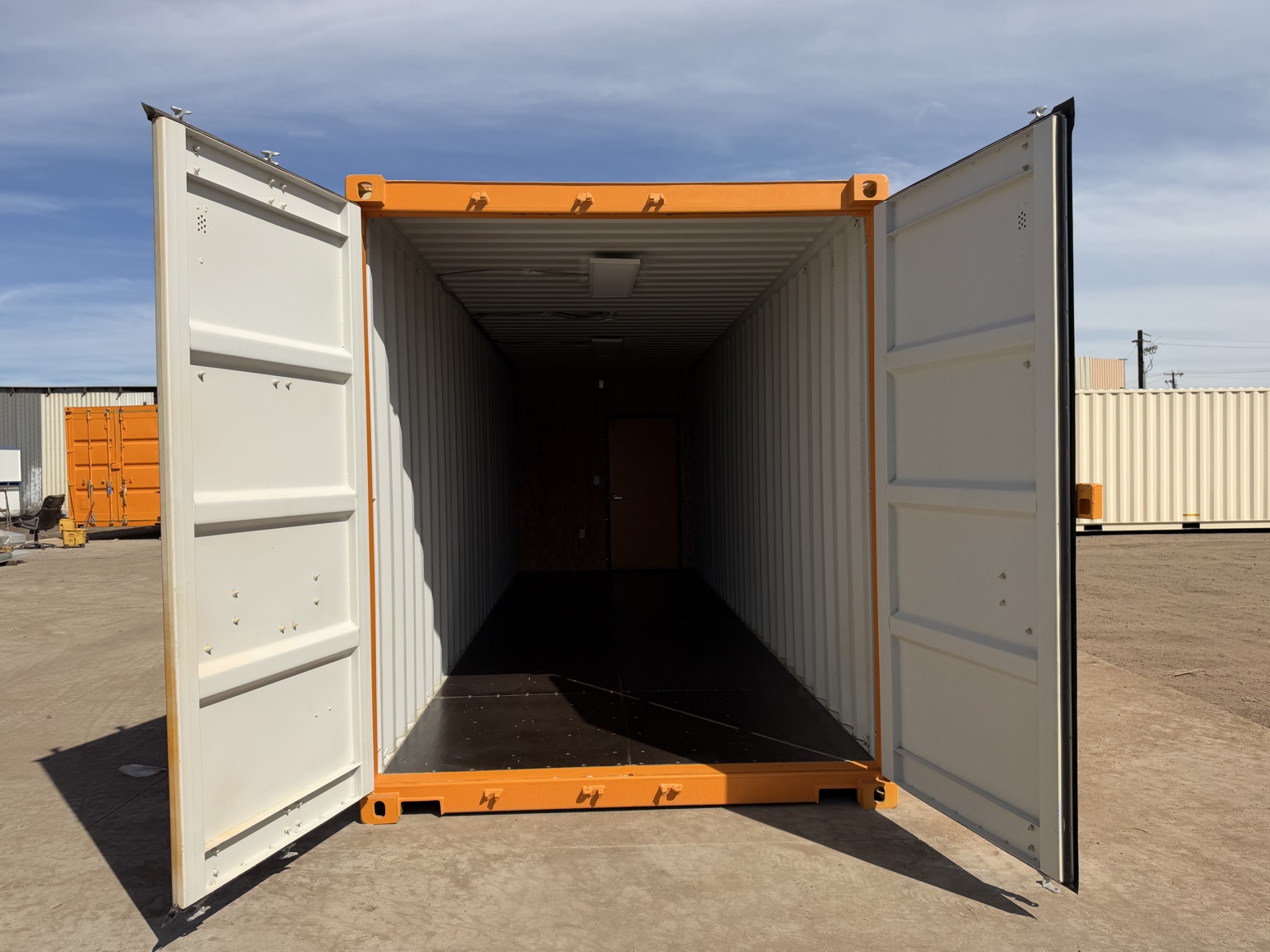
Temporary modular buildings, often called relocatable buildings, are designed from the ground up to be moved between locations as needs change. They typically sit on a foundation system that allows for removal and relocation without extensive site work, making them well suited for construction projects, seasonal operations, or any business situation where the need for space is expected to shift over time. A compact container office unit is a common example of this relocatable approach in action.
What Defines a Permanent Modular Building
Permanent modular buildings are installed on a fixed foundation, similar to traditional construction, and are built with the expectation of long-term, ongoing use at a single location. While still constructed using modular methods off-site for faster assembly, permanent modular buildings are intended to function as a lasting structure rather than one designed for future relocation.
When Temporary Modular Buildings Make the Most Sense
A few business situations clearly favor a temporary, relocatable approach. Construction projects with a defined end date rarely justify a permanent structure, since the need for office or storage space disappears once the project concludes. Businesses testing a new location or market before committing to permanent infrastructure benefit from the flexibility to relocate if plans change. Seasonal operations, where space needs fluctuate throughout the year, also align well with the relocatable model rather than a fixed, permanent investment.
When Permanent Modular Buildings Make the Most Sense
Permanent modular construction fits situations where the need for space is clearly long-term and tied to a specific location. A business with a stable, ongoing need for administrative, retail, or operational space benefits from the long-term value of ownership rather than continuing to pay lease costs indefinitely. Government and municipal projects with established, growing community needs often fall into this category as well, where the structure is expected to serve the public for years or decades to come.
How Leasing and Purchasing Align with This Decision
Leasing and the temporary, relocatable model naturally pair well together, since both are built around flexibility rather than long-term commitment to a single site. Purchasing, meanwhile, aligns more naturally with permanent installations, where the upfront investment makes sense given the structure’s extended, single-location lifespan. That said, these aren’t rigid rules. Some businesses purchase a relocatable unit they plan to move between multiple owned properties over time, while others lease a more permanent-style structure for a multi-year, but still finite, commitment.
Questions to Ask Before Deciding
Before choosing between temporary and permanent modular construction, it helps to think through a few key questions. How long do you realistically expect to need this space at this specific location? Is there a reasonable chance you’ll need to relocate the structure to a different site in the future? Does your budget favor the lower upfront cost of leasing, or does long-term ownership make more financial sense for your situation? Answering these honestly, rather than defaulting to whichever option seems simpler upfront, leads to a much better long-term fit.
How Adaptive Shelters Helps You Decide
As your local Arizona modular construction partner, we walk through exactly these questions with every client during our initial consultation, helping you land on the structure type that genuinely fits your project rather than pushing a one-size-fits-all solution. Our storage container and modular inventory also offers flexible options for businesses needing secure storage alongside whichever building solution fits their timeline.
Not sure which option fits your Arizona project? Our team can walk you through the decision based on your specific timeline and goals. Contact us today to get started.
Frequently Asked Questions
In some cases, yes, depending on the unit’s design and foundation type, though this is best discussed directly with your modular construction provider during planning.
Yes. Permanent modular buildings are built to the same code requirements and durability standards as traditional construction, with the added benefit of faster assembly.
Consider how long you’ll realistically need the space at your current location and whether future relocation is a realistic possibility. If either answer points toward uncertainty or change, temporary is usually the safer starting point.
Generally, yes, since leasing spreads cost over time and avoids the larger upfront investment associated with purchasing a permanent structure.